
The legal architecture ofautonomous airspaceis being written now.
CAYRES Inc. advises operators, infrastructure developers, and counsel on Advanced Air Mobility — where Canadian aviation law, autonomous-system liability, and community integration meet. Canada’s 2025 Part IX reform put the country a step ahead of the U.S. FAA Part 108 timeline. We help you operate inside that head start.
Low-altitude airspace is becoming an internet of airspace — a regulated digital infrastructure layer with its own governance, data rights, and liability surface. We help operators, developers, and counsel build inside that layer.
Our Client Types
Infrastructure & Development
- Property and real estate developers
- Construction enterprises
- Vertiport and droneport suppliers
- Port authorities
Government & Public Services
- Municipalities
- Hospitals
- Airports
- Law firms
Industry & Operations
- OEMs & operators
- Logistic companies
- Technology providers
- Aviation consultants
Where AAM lands
Comprehensive AAM solutions rooted in Canadian aviation excellence — delivering economically essential cargo and people safely and sustainably.
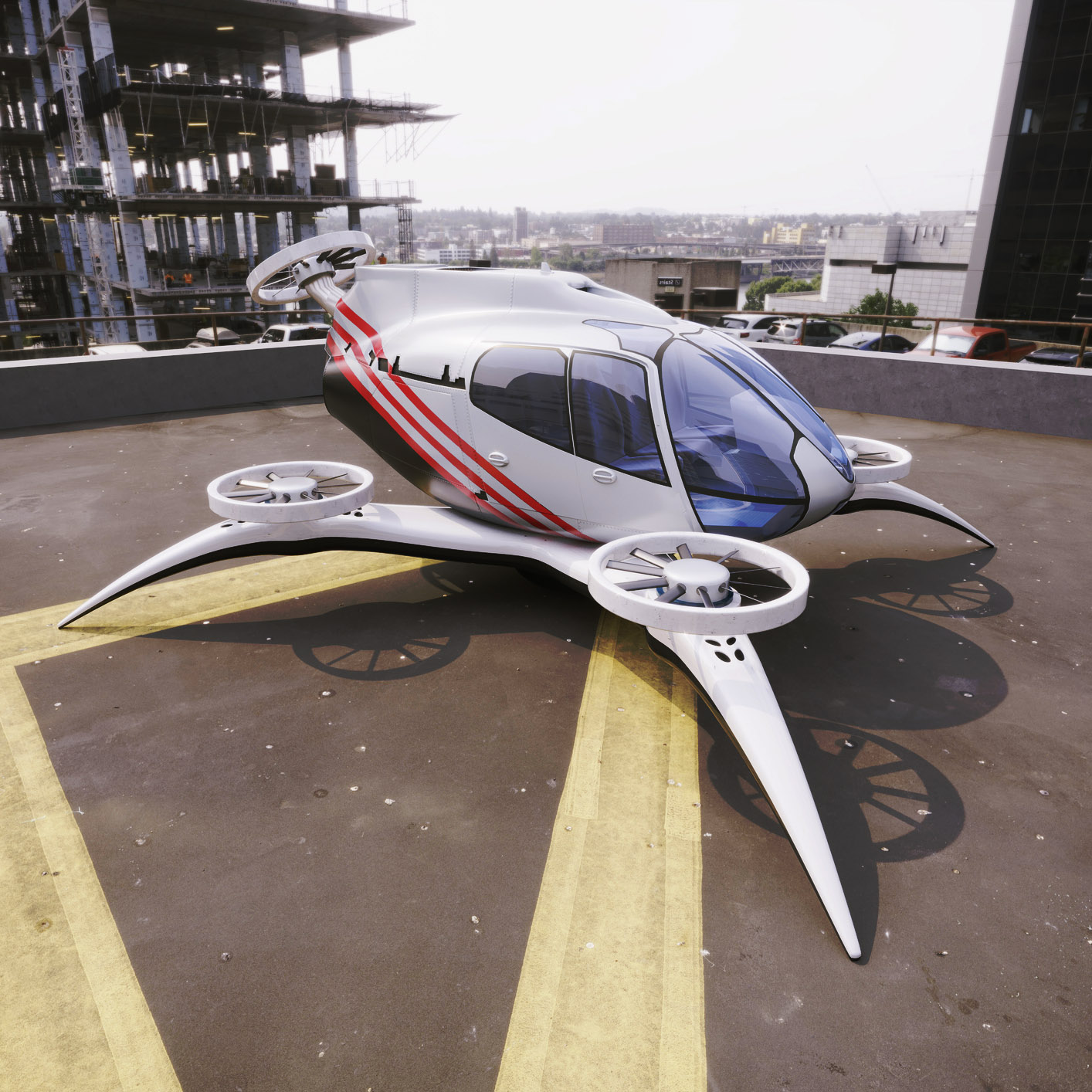
Advanced Air Mobility
Drones, eVTOLs, and hydrogen/battery propulsion in a regulated air corridor. Morgan Stanley pegs the global AAM market at US$1T+ by 2040 — Canada's 2025 Part IX reform is its head start at capturing it.
- Urban Air Corridor Development
- Infrastructure Placement
- Vehicle Certification
- Regulatory Compliance
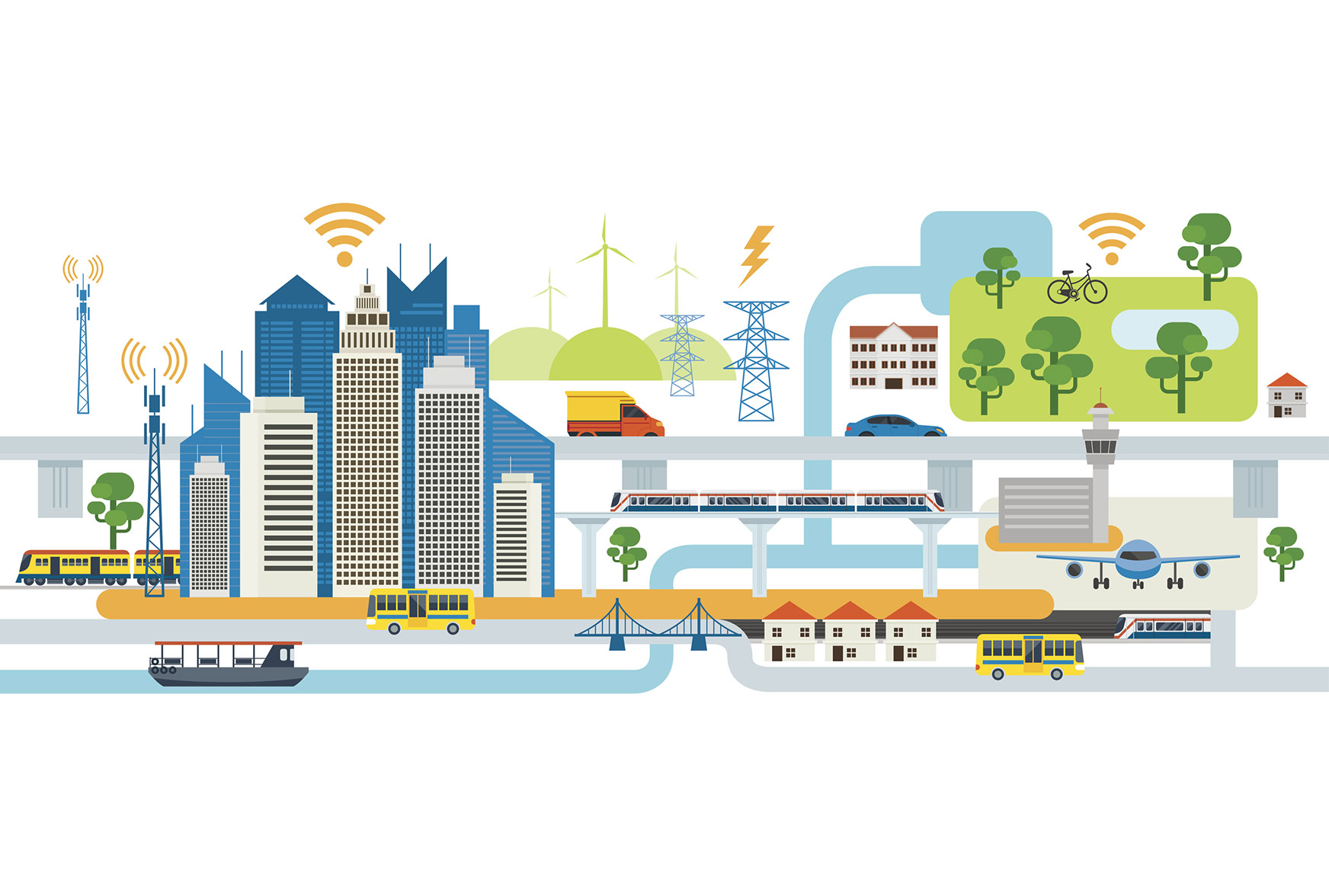
Community Integration
Understand community needs, empower local economic participation, and ensure regulatory compliance in the AAM ecosystem.
- Community Engagement
- Risk Profile Management
- Carbon-Neutral Solutions
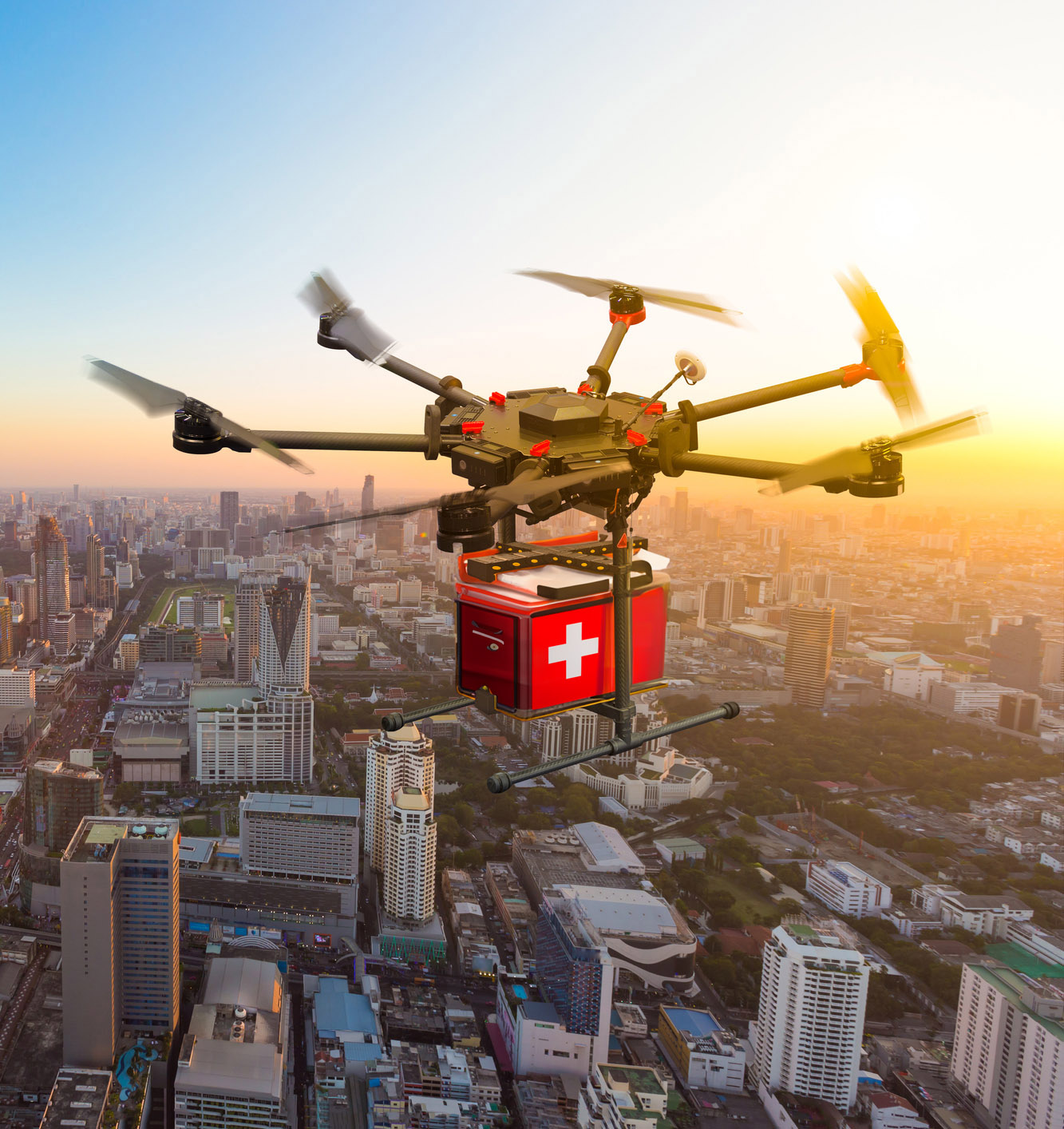
Healthcare Applications
Quick, safe medical transport — remove barriers for remote community healthcare access and eliminate product wastage.
- Emergency Medical Services
- Remote Area Access
- Medical Cargo Delivery
Lawyers will shape the architecture of autonomous infrastructure.
Society has regulated roads, railways, telecommunications networks, and satellites. We are now writing the rules for autonomous infrastructure in the sky. Four dimensions decide what that infrastructure looks like — and CAYRES works in all of them.
Governance Models
Who controls the UTM platform? Public body or regulated private utility. The structural question that determines who gets to set the rules of low-altitude airspace.
Liability Regimes
Allocating risk across multi-party autonomous systems — manufacturer, software, operator, ADSP, traffic management. Existing tort frameworks don't reach this stack.
Data Rights
Ownership, access, and monetization of airspace data. Operator, ADSP, state, or the landowner below — every flight generates a data asset, and the law hasn't decided who holds it.
Airspace Economics
Property rights, leasing structures, and market access in shared low-altitude airspace. Vertiport siting and drone-corridor licensing live in the unsettled boundary between private property and navigable airspace.
Canada is a step ahead
Canada’s CARs Part IX reform is in force in 2025. The FAA’s Part 108 is still in comment. The next eighteen months decide who gets to fly, who gets to certify, and who carries the liability when an autonomous system makes the call.
Where aviation law meets autonomous infrastructure

CAYRES Inc. advises operators, infrastructure developers, and counsel on Advanced Air Mobility — at the intersection of aviation regulation, autonomous-system liability, and community integration. We work in the Canadian and cross-border regulatory environment that is currently being rewritten.
Practice areas
Public work includes the Canadian Bar Association · Vancouver 2026 brief on Canada’s Part IX reform versus FAA Part 108 — the regulatory gap that defines the next eighteen months for drone and AAM operations on both sides of the border.
Advanced Air Mobility is not aviation innovation alone — it is the creation of a new digital layer of regulated infrastructure. Canada and the United States are authoring the foundational legal architecture right now — and the lawyers, operators, and regulators in this conversation will decide what that architecture becomes.
Every stakeholder. One conversation.
Autonomous airspace is a multi-party system — manufacturer, software, operator, ADSP, traffic management, regulator, insurer, community. CAYRES coordinates the parties whose signal decides whether an AAM operation actually flies.
CAYRES Insights
Latest from the field
Ready to partner with us?
Tell us about your AAM integration project — our specialized team can support regulatory, community, and infrastructure workstreams.